Stainless steel has become one of the most widely used materials in modern industry and everyday life. Known for its strength, resistance to corrosion, and sleek appearance, stainless steel is a preferred choice across sectors such as construction, healthcare, food processing, automotive, and household goods. The demand for stainless steel products continues to grow because stainless steel cabinet supplier their unique ability to combine durability with aesthetics while requiring minimal maintenance. From large-scale industrial equipment to everyday kitchen utensils, stainless steel has proven to be a material of unmatched versatility.
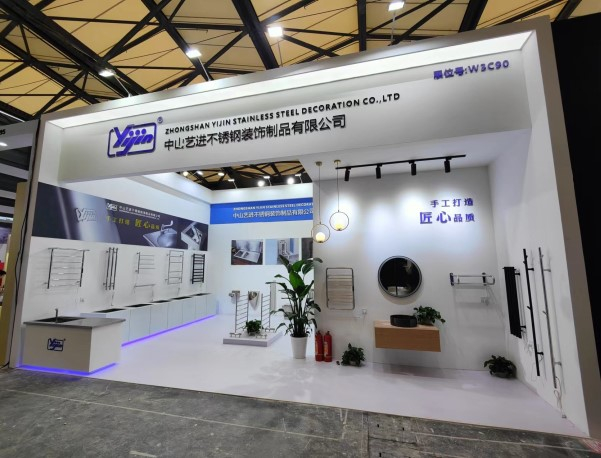
One of the defining qualities of stainless steel is its corrosion resistance. Unlike ordinary steel that rusts over time when exposed to moisture, stainless steel contains chromium, which forms a protective oxide layer on its surface. This makes stainless steel products highly durable even in harsh environments such as marine applications, chemical plants, and outdoor settings. Beyond corrosion resistance, stainless steel also withstands high temperatures, making it ideal for boilers, exhaust systems, and cooking appliances. Its durability ensures long product lifespans, reducing the need for frequent replacements and making it cost-effective in the long run.
The wide variety of industries using stainless steel highlights its adaptability. In construction, stainless steel is used for structural supports, roofing, handrails, and facades, where both strength and modern appearance are required. In the medical field, stainless steel is used for surgical instruments, implants, and hospital equipment because it is non-reactive, easy to sterilize, and safe for human contact. The food and beverage industry depends heavily on stainless steel products such as tanks, piping, and cutlery because the material does not absorb flavors, is hygienic, and meets strict safety standards. In transportation, stainless steel is used in airplanes, trains, and automobiles for components that demand reliability under extreme conditions.
In addition to functionality, stainless steel has aesthetic appeal. Its polished, reflective surface gives it a modern and professional look, making it popular in interior design, furniture, and kitchen appliances. Homeowners often choose stainless steel sinks, countertops, and cookware because they are stylish, easy to clean, and resistant to stains. Architectural designers use stainless steel in commercial buildings and public spaces for its ability to retain a sleek finish without fading over time. Even jewelry and fashion accessories are made from stainless steel because it resists tarnishing and provides a premium look at an affordable price. The versatility in both industrial and decorative uses shows why stainless steel has become a material of choice worldwide.
Another significant advantage of stainless steel is its sustainability. Unlike many materials, stainless steel is 100% recyclable without losing quality. This means that old or discarded stainless steel products can be melted down and reused in new applications, supporting a circular economy and reducing waste. The longevity of stainless steel further contributes to sustainability since products last longer before needing replacement. Additionally, stainless steel requires little maintenance—often just a simple wipe-down to restore its shine—which reduces the use of cleaning chemicals and contributes to a cleaner environment. With sustainability becoming increasingly important in global manufacturing, stainless steel plays a critical role in eco-friendly production.
The future of stainless steel looks promising as industries continue to innovate. Advances in technology have led to specialized stainless steel grades designed to meet unique demands, such as ultra-high strength alloys for aerospace or duplex stainless steels with superior resistance for chemical processing. As industries focus on reducing environmental impact, stainless steel’s recyclability and long service life will only strengthen its position. Emerging trends, such as the rise of electric vehicles and renewable energy systems, will also drive demand for stainless steel in batteries, solar panels, and wind turbines. Clearly, stainless steel is not just a material of the present but a key component in building a sustainable and high-performing future.
In conclusion, stainless steel products stand out for their strength, resistance to corrosion, adaptability across industries, and long-term value. Whether used in industrial machinery, household appliances, medical tools, or modern architecture, stainless steel continues to demonstrate why it is considered one of the most important materials in today’s world. Its combination of durability, hygiene, aesthetic appeal, and recyclability makes it indispensable. As industries evolve and consumers demand products that are both reliable and sustainable, stainless steel will remain a cornerstone material shaping innovation and quality across the globe.

Leave a Reply